Roofing work in Stanton
Eight kinds of job, one form. The answers decide which contractors see your request — a flat-roof crew and a tile crew are not the same trade.
Get on the list
No company gets your details until you say yes to it by name.
You are on the list.
No provider in Stanton is taking requests through this service yet. We are lining them up, and yours is kept until one can.
- Nobody gets your details yet. Your request stays with us and is not passed to any company.
- One email when someone can help. When a provider covering your area can take it on, we email you once and ask whether you want that company, by name, to contact you.
- Deleted after 90 days. If nobody can take it on, or you do not say yes, your contact details are deleted 90 days after your request.
- You decide, or you do not. There is nothing to cancel and nothing to pay us.
Nobody will call you about this request unless you say yes to a company by name.
Roofing in Stanton: the local picture
Lots are larger here, and roofs tend to be bigger than the national average as a result. Stanton holds about 41,188 residents in Orange County. Sitting roughly 9 miles back from the water softens the salt but not the onshore weather.
The failure that leads here is the marine layer keeping the north slope damp. Damp that arrives every morning and leaves by lunchtime is worse for a roof than rain, because nothing ever fully dries between one and the next.
Close behind that: sudden dry winds that test every lifted edge on the roof. These winds are not constant, which is the problem. A roof gets nine quiet months and then one night at fifty miles an hour, and whatever was marginal goes.
It is worth asking any contractor to explain how they handle it — the answer separates the people who work here from the people passing through.
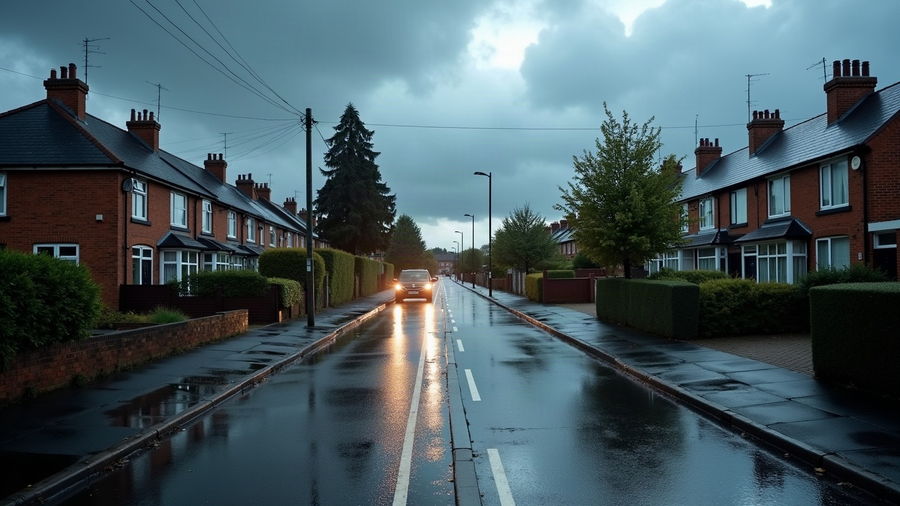
Illustrative photographs of roofing work in general. Not photographs of jobs arranged through this site.
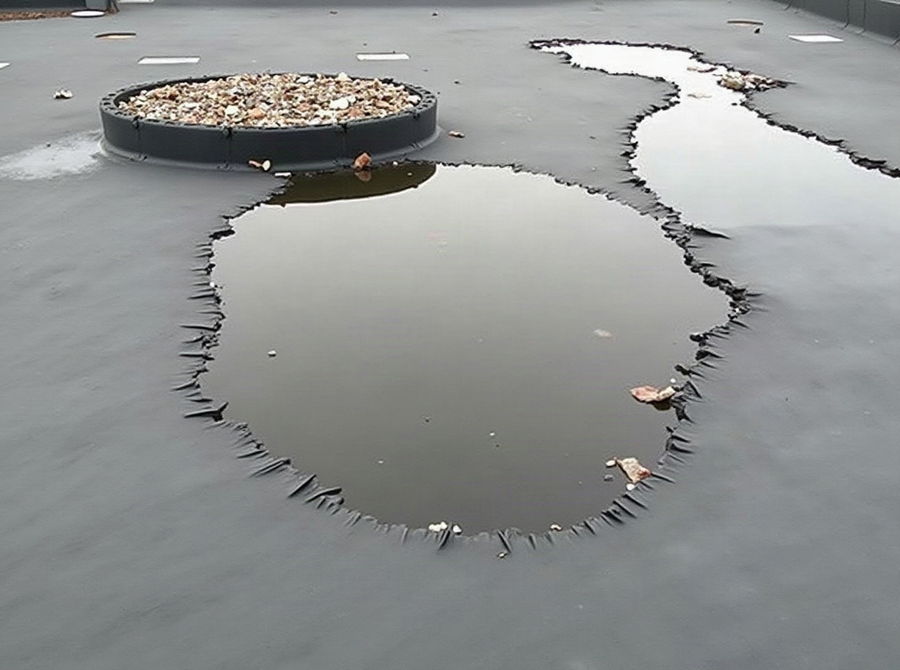
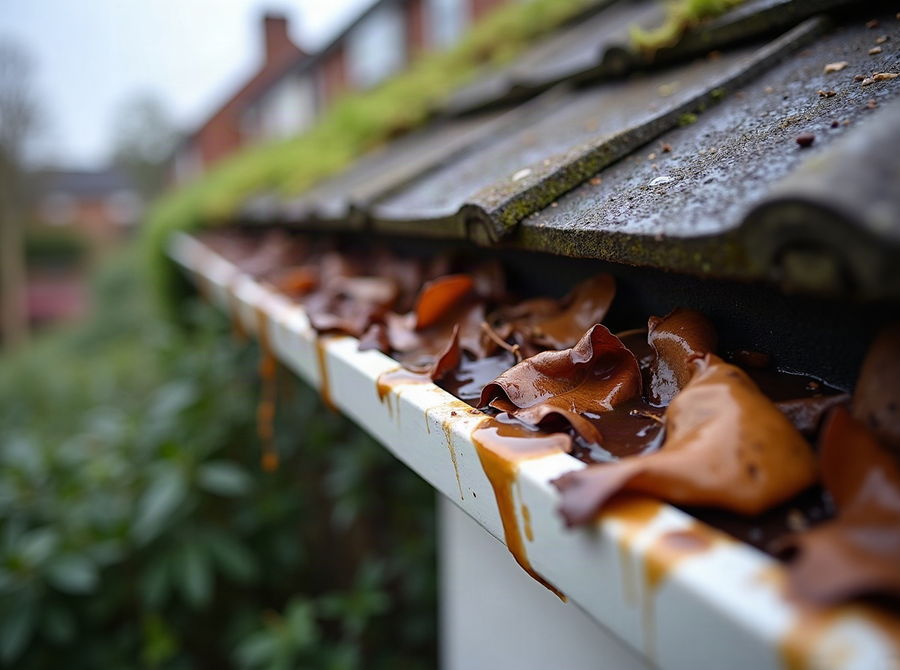
Illustrative photographs of roofing work in general. Not photographs of jobs arranged through this site.
Marine layer damp and slow drying
Damp that arrives every morning and leaves by lunchtime is worse for a roof than rain, because nothing ever fully dries between one and the next.
Offshore wind events
These winds are not constant, which is the problem. A roof gets nine quiet months and then one night at fifty miles an hour, and whatever was marginal goes.
Ember and wildfire exposure
Most houses lost to wildfire are lost to embers arriving ahead of the fire, not to the fire itself.
Start with a free estimate
Free, no obligation, and your details go to no company until you say yes.